Whether used to convert voltage in the power supply of a laptop computer or to convert signals in a LAN router, transformers are among the most important electronic components on the market. However, the way many transformers are currently produced can be expensive and requires a lot of manual labor. In addition, the winding technology currently used limits miniaturization and increases the size of conventional transformers.
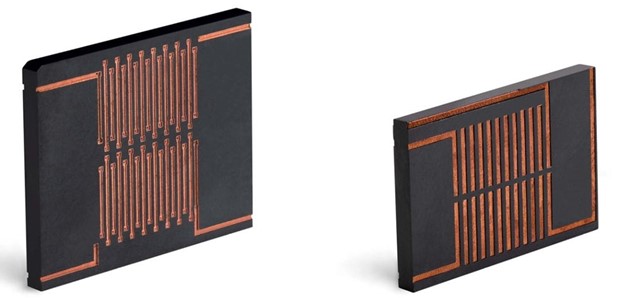
Design engineers in pursuit of a new way of thinking about their next transformer project may want to consider LDS-MID transformers from Ensinger’s microsystems business unit. The coil systems do not require winding of magnet wire and can be assembled without a housing. Benefits can include significant volume savings, lower consumption of resources such as copper and weight reduction for critical application environments such as aerospace. The company’s technology can be applied also to the development of sensors.

The process for transformers produces injection molded bodies in which magnetic cores can be inserted into the cavity. These are overmolded in a second injection molding process. Finally, the conductive path can be structured using the laser direct structuring (LDS) process and the daisy chain approach. Ensinger offers the entire process chain from the LDS-compatible compound TECACOMP PEEK to in-house injection molding experts and the finished component.
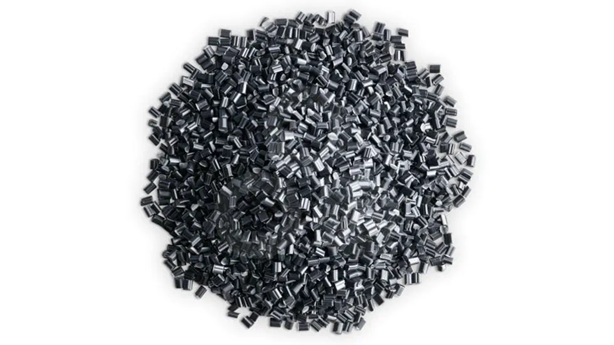
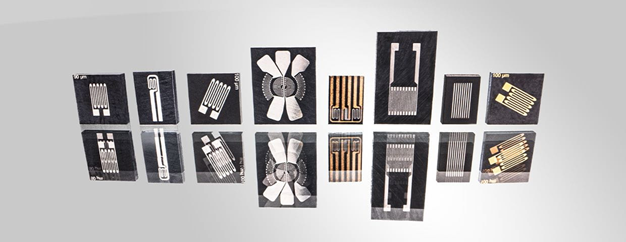
By combining TECACOMP PEEK LDS with microsystems technology processes, functionalized, integrated and fully customizable sensors can be created. Sensor types can be diverse, including pressure, strain gauge, temperature, flow, and magnetic field sensors such as AMR, GMR and eddy current.
Based in Nufringen, Germany, The Ensinger Group is engaged in the development, manufacture and sale of compounds, semi-finished materials, composites, technical parts and profiles made of engineering and high performance plastics. Founded in 1966, it has about 2,500 employees. See www.ensingerplastics.com