Meteoric Resources, an emerging player in the rare earths sector from Australia, has opened its Caldeira Rare Earth Project pilot plant in Minas Gerais, Brazil. The plant is located at Meteoric’s Innovation & Research Center in Poços de Caldas and represents an important step in the development of future operations of the project.
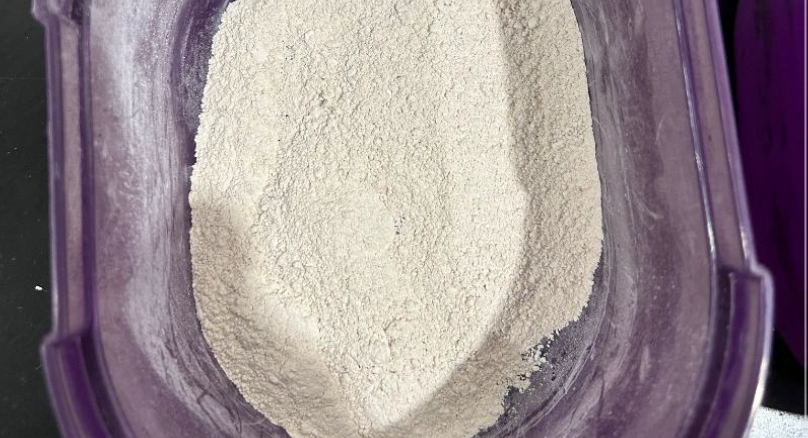
With an initial capacity to process 25kg of ionic clay per hour, the plant brings together all the steps necessary to transform the Caldeira Project mineralized clays into mixed rare earth carbonate (MREC), including leaching, MREC precipitation and dewatering of clays.

“We were very pleased to bring together local and state stakeholders for the official opening of the Pilot Plant, an important milestone for both Meteoric and the critical materials chain in Brazil. We are entering a new phase of the Caldeira Project, with concrete data being generated that will support the Definitive Feasibility Study, provide bulk samples for our future commercial partners and enable testing of downstream separation processes in Brazil,” said Meteoric Managing Director Stuart Gale.
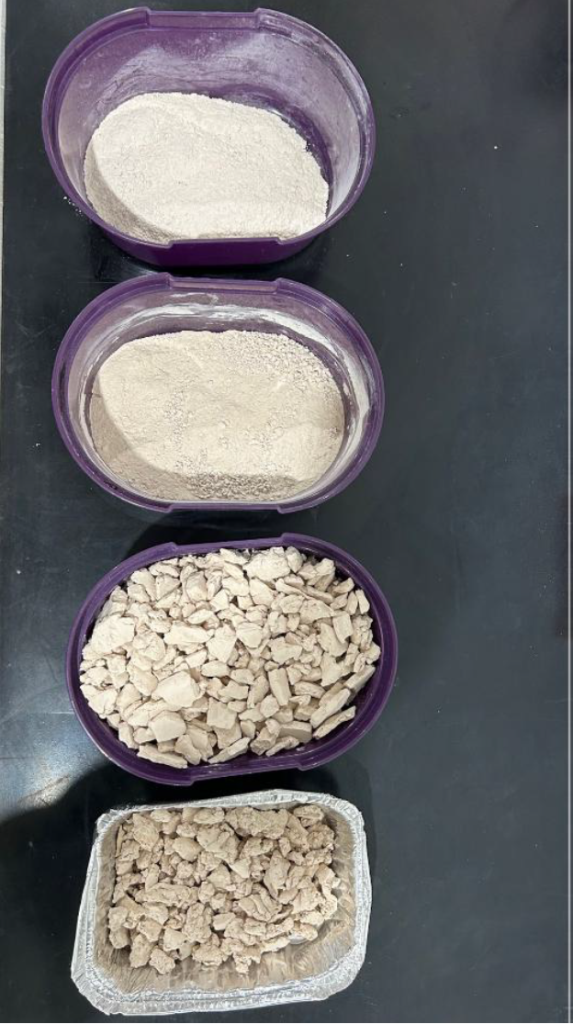
Over the past few months, Meteoric has recruited and completed training for the team responsible for operation of the plant. It forms a basis to study rare earth separation routes, such as solvent extraction and new technologies that can increase the capacity to add value to the product in Brazil. Representing an investment of about A$1.5 million, the plant will facilitate production of some 500 kilograms of MREC per year. The data generated by the plant will be incorporated into the feasibility study, a decisive step for the implementation of the industrial plant.
Headquartered in West Perth, Meteoric has outlined a world-class ionic absorption clay rare earths deposit and is progressing approvals and development studies to support a future investment decision.
It believes Caldeira has the scale, quality and characteristics to be a disruptor of the global rare earths industry, ideally placed to supply North American, South American and European markets. The geological and metallurgical characteristics of Caldeira Project mean it can support ultra-low cost rare earths production with the option to move further downstream over time.
Process commissioning began with the introduction of low-grade clay ore into the pilot plant together with the sequential introduction of reagents. This occurred over a two-week period, focused on key input and output streams around the scrubbing and spent clay filtration before moving onto the other unit processes.
With all unit processes now successfully commissioned on low grade ore, the plant will begin to transition to typical ore grades of around 4,000 ppm total rare earth oxides (TREO). Optimization of unit processes will continue in the coming weeks including reagent dosing, product purity and rare earth recoveries. The plant also provides an opportunity to pilot the separation of rare earths by solvent extraction and other technologies such as flash joule heating.
The project stands as a potential source of rare earth feedstock for magnet manufacturers. Potential offtake recipients signed up to date include both Neo Performance Materials and Ucore Rare Metals. Meteoric signed a memorandum of understanding with Ucore for the supply of 3,000 metric tons of TREO annually to support its planned rare earth oxide production facility in Louisiana. The offtake deal with Neo, which has multiple operations worldwide, was also for 3,000 tons per year. See www.meteoric.com.au.