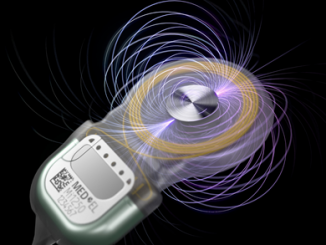
Continued advancements in electromagnetic motion tracking, now firmly established as a valued surgical tool, are bringing new capabilities to a wide range of applications particularly in medicine, defense and research. At the heart of the evolving technology are tiny, powerful magnetic sensors that the systems focus upon, coupled with advanced electronics and software that track them. This article highlights some of the companies and their products that are driving the progress in medicine, notably Northern Digital, Polhemus, Radwave and TT Technologies – and, at the OEM level, Stereotaxis who with its robotically navigated surgical systems could be considered a champion adopter of the technology, devising new levels of increased magnetic functionality.
Basically, developers of the systems are putting to work the power of finely tuned electromagnetic fields. They utilize a magnetic source which acts as a transmitter emitting an electromagnetic field. Typically, the size of the field varies depending on the source used. The larger the magnetic field, the greater the coverage area. Surgical systems typically use neodymium magnets due to their high magnetic strength and compact size. The magnets are embedded in small tracking sensors that are attached to surgical instruments, allowing for precise positioning and tracking during procedures.
Advancing beyond tracking, new surgical robotic systems are also using powerful neodymium magnets and EM systems to generate precisely navigated movement. Perhaps the best way to visualize them is to see a full OEM system in action. We recommend this video from Stereotaxis showing its magnetic robotic surgery system in real time: “How Robotic Magnetic Navigation Works”.
Northern Digital
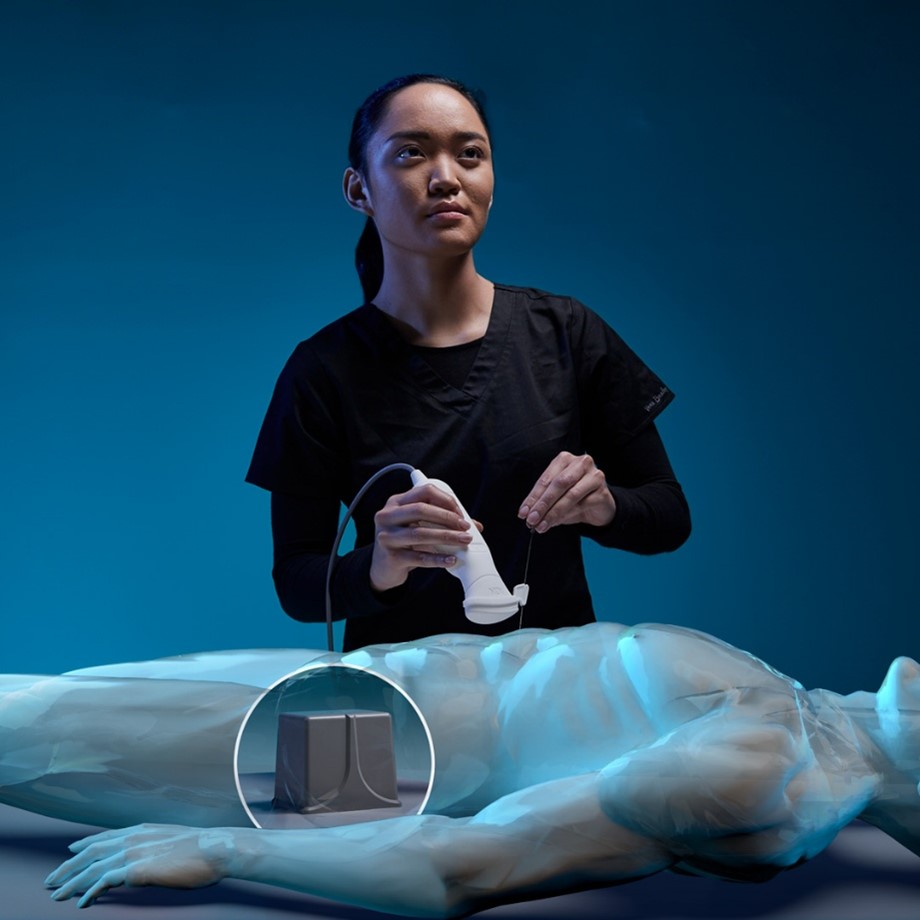
One leader in the field is Northern Digital (NDI) based in Waterloo, Ontario, Canada which makes both optical and magnetic systems, supplying them to manufacturers of medical devices, simulation systems and for medical research. Their technologies have helped its partner’s pioneer computer-assisted surgery and therapy, providing core functionality to many of the market’s most progressive surgical navigation systems. Its navigation technology can be found in OEM solutions in over 20,000 hospitals and medical centers globally.
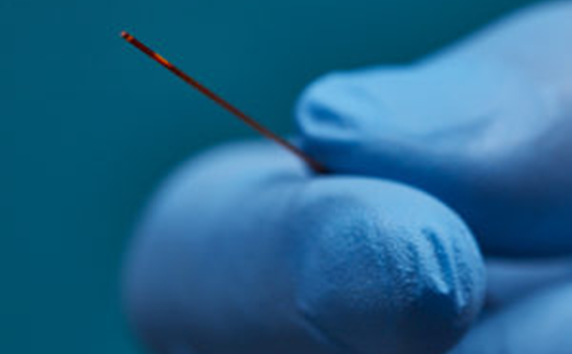
NDI’s Aurora and 3D Guidance EM products generate a defined magnetic field in which EM micro-sensors are tracked. The sensors can be embedded into rigid and flexible OEM medical instruments even at the tip of a needle. No line-of-sight is needed, which supports deep in-vivo tracking of instruments through anatomical tracts that are difficult to view and access.
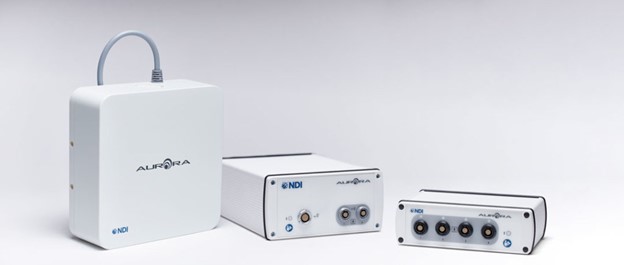
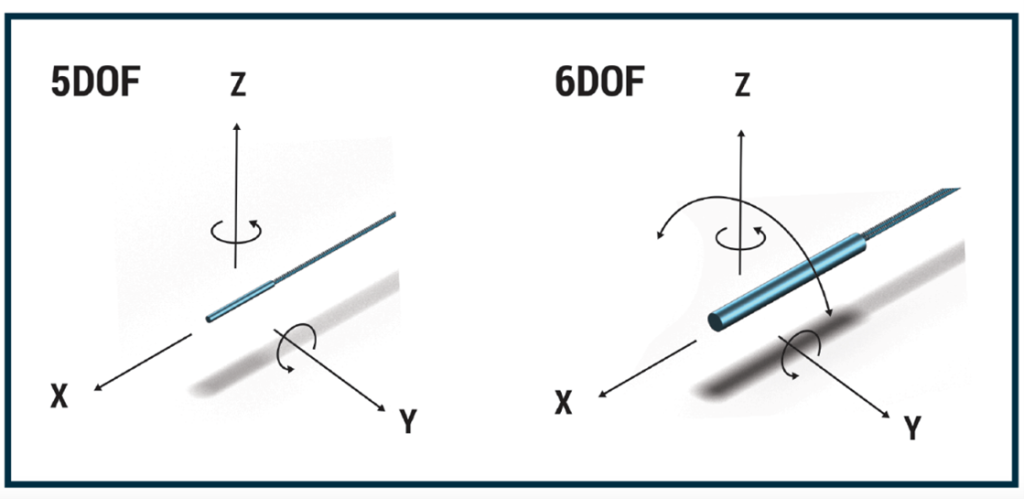
Providing 6 degrees of freedom, the sensors for the Guidance system come in many sizes, from a larger reference sensor that consists of an 8 mm square cross-section, to a 0.56 mm diameter cylindrical sensor for use in the smallest tools. The sensors can be integrated into diverse OEM medical instruments such as ultrasound probes, catheters, epidural and biopsy needles. The 3D Guidance electronics unit can simultaneously track up to four sensors and supports interchangeable sensor sizes.


TT Electronics & Radwave

Radwave Technologies, another innovator in the market, has teamed up with TT Electronics, originally as a manufacturing partner and more recently as an investor, to scale production of its magnetic tracking systems under an exclusive five-year production contract that began in 2022.

“We are delighted to further strengthen our relationship with TT Electronics by having TT as an investor and our exclusive manufacturing partner,” said Andrew Brown, CEO and co-founder of Radwave. “TT brings a wealth of manufacturing and supply chain expertise that will help accelerate our growth, especially as we start delivering production quantities to our customers.”
Founded in 2018 and based in St. Paul, Minnesota, Radwave’s electromagnetic tracking technology enables medical device OEMs to easily incorporate tracking features into their diagnostic and therapeutic products. TT Electronics and Radwave began collaborating earlier providing customers with TT’s sensor technology optimized for Radwave’s platform. The latest step extends the partnership to include manufacturing of Radwave’s control unit and field generating antenna.
“As more procedures transition to minimally invasive techniques, we see electromagnetic tracking as an essential feature that will be embedded in many medical devices,” said TT Electronics Vice President and General Manager, Matt Sweaney. “We’ve conducted extensive analysis of the surgical navigation market as part of our own medical strategy, and Radwave stands out as a real innovator with a strong customer value proposition, differentiated intellectual property and an experienced team.”
“TT has been supporting medical and life science customers around the world for more than a decade, and partnerships with medical innovators like Radwave are critical to our evolving healthcare strategy,” said TT Electronics EVP, Michael Leahan. “Through our collaboration, this technology has incredible potential to disrupt an industry and ultimately improve patient outcomes – a mission both companies share.”
Polhemus
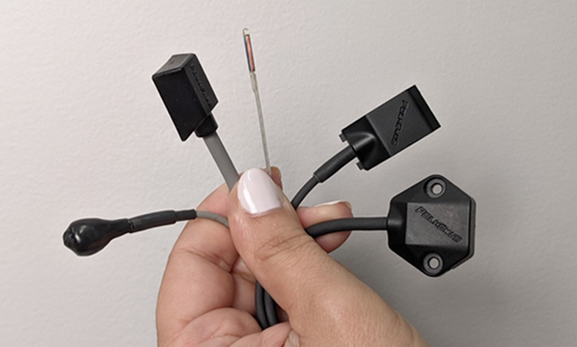
A pioneer in the field is Polhemus of Colchester, Vermont. With a 50-year history of developing magnetic tracking tools, its electromagnetic motion tracking products have been used around the globe in medical, research and technology and civil defense. Most of its systems are scalable so a tracking area can be increased simply by adding additional tracker components.
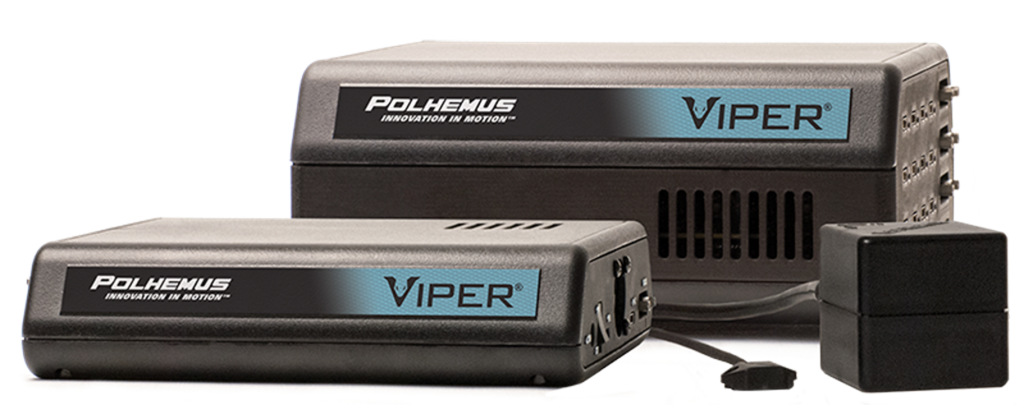
Its VIPER has become an industry standard in many areas of motion tracking as a customizable, high-speed, electromagnetic tracker with update rates up to 960Hz. Boasting latency as low as one millisecond, it provides up to 16 separate tracking points, taps proprietary smart sensing technology and can track through walls, people and objects.
It can enable robust motion tracking solutions for manufacturing, immersive leisure, automotive environments, even virtual and augmented reality applications as well as training and simulation. In the field of medicine, it enables clinical applications including image-guided surgery, laparoscopic surgery and endoscopy. University and research markets use it for investigations in biomechanics, neuroscience and studies requiring high-precision tracking solutions with increased coverage area.
Stereotaxis pioneers magnetic navigation for robotic surgery
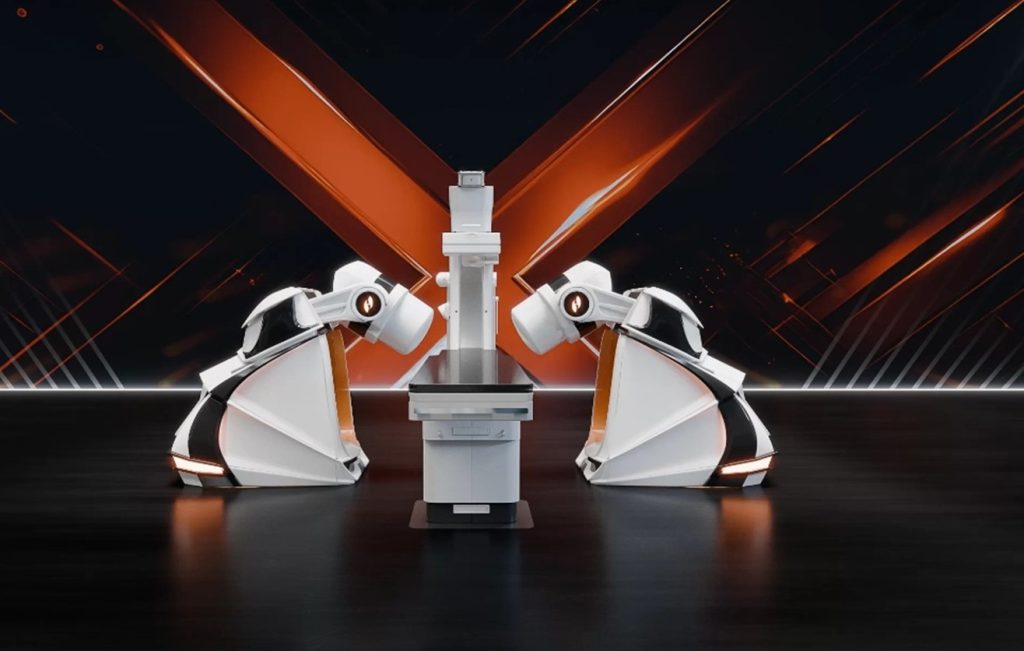
Today, magnetic tracking in healthcare is breaking new ground as it extends from positional sensing to magnetically-powered navigation of instruments for robotic surgery. A pioneer in the field is robotic surgery manufacturer Stereotaxis which has become a leader in implementing the technology. Its recently developed GenesisX harnesses the capability.
“We are thrilled to announce the first firm order for GenesisX from a pioneering European hospital,” said David Fischel, Stereotaxis chairman and CEO in January. “Establishing the first GenesisX robotic lab is a critical milestone for us as we advance towards full commercial launch. We look forward to demonstrating the performance and reliability of GenesisX in the demanding clinical environment. GenesisX promises to transform the accessibility of robotic magnetic navigation and is central to our mission of driving broad robotic adoption throughout endovascular surgery.”
Building on the company’s Genesis platform, the new GenesisX employs smaller magnets and incorporates magnetic shielding into its structure in place of the shielding otherwise installed in the walls of an operating room. With miniaturized electronics and cabinetry, it is considerably smaller and lighter than earlier versions.

The magnets in the Genesis systems are held on two flexible robotic arms to provide a generous range of motion. Permanent magnets rather than coils are used to generate strong magnetic fields. Design of the magnetic setup allows the creation of a spatially uniform strong magnetic field, avoiding problems associated with magnetic field gradients. By synchronously rotating the two actuating magnets, each around its pivot inside the casing, these magnetic actuation platforms can create relatively uniform magnetic fields of 80–100 mT in any direction in the workspace between them.
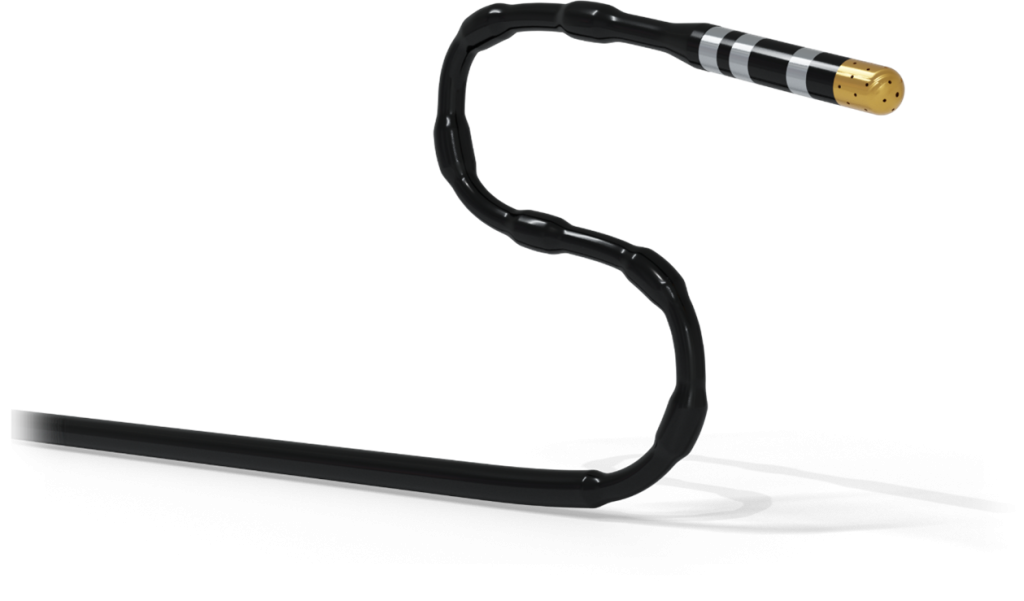
Specially designed catheters are a key component of Stereotaxis’ navigation technology. Optimized magnet design in the catheter tip and distal shaft supports intuitive and responsive catheter navigation. Its MAGiC catheter, for example, enables navigation to anatomy that is often unreachable. It’s designed with a flexible shaft, free from the constraints of pull wires, to accommodate an unprecedented number of twists and turns without compromising steerability. It maintains approximately 15 grams of consistent force throughout the cardiac cycle. Being magnetically pulled to the tissue, it avoids the wide fluctuations in contact force of manual catheters.

Based in St. Louis, Missouri and focused on endovascular surgery, Stereotaxis has provided systems that have been used to treat over 150,000 patients at more than 100 hospitals across the USA, Europe and Asia.
For more info, see www.ndigital.com, www.radwavetech.com, www.ttelectronics.com, www.polhemus.com, www.stereotaxis.com.