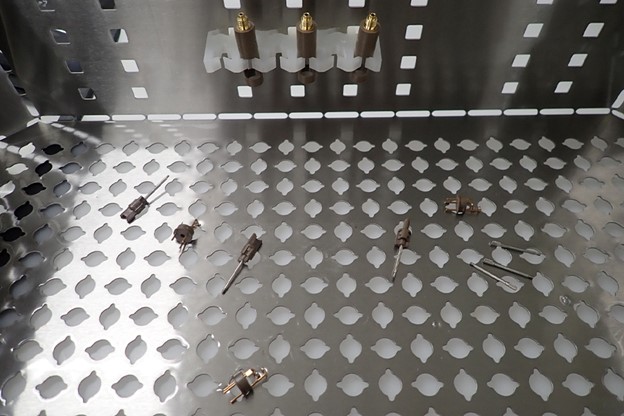
In the manufacturing of small electrical components, maintaining high standards of cleanliness is crucial. Contaminants such as machining oils, over-molding release agents, and loose flashing can severely impact the performance and reliability of these components. Ultrasonic cleaning can be an effective solution toward getting them impeccably clean.
High-frequency sound waves create cavitation bubbles in a cleaning solution. The bubbles implode upon contact with surfaces, dislodging contaminants without damaging the material. The method can be highly effective for complex geometries and delicate materials, making it ideal for small electrical components including, in some cases, magnets and magnetic components. In this article, we present some tips on the subject from two companies that provide solutions in ultrasonic cleaning — Kemet International and Zenith Ultrasonics.
Testing is often a critical advance procedure in the process, given the assortment of equipment and cleaning agents available and the importance of matching these specifically to the components to be cleaned.
Kemet International
Kemet has available a case study with pertinent information related particularly to cleaning samarium cobalt magnets (SmCo20), also other materials such as Palladium, Stainless 316, brass, copper, silver and Ryton BR111. This article highlights some of their presentation, the full study is available on their website.
With SmCo magnets, critical in high-performance applications due to their superior magnetic properties and thermal stability, ultrasonic cleaning ensures the removal of machining oils and loose flashing which could otherwise interfere with the magnetic field. This method preserves the magnet’s integrity and performance characteristics.
Step one in the Kemet case study involves a 5-minute cleaning cycle using the company’s Galvex 20.02 solution heated to 40 degrees C inside its K-Sonic 30 benchtop ultrasonic cleaner. After ultrasonic cleaning, parts are rinsed in tap water for 2 minutes. The static rinse helps remove any residual detergent without the need for ultrasonic cavitation. Step three is to dry the parts in a recirculating hot air dryer, such as the Versa Genius 120 dryer made by FinnSonic, for 10 minutes at 60°C, ensuring all moisture is eliminated.
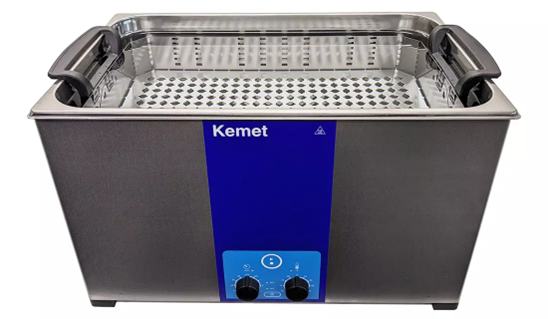
Established in 1938, Kemet International Ltd specializes in precision lapping and polishing technology, producing machinery, compounds and slurries for numerous applications. The company is based in Maidstone, Kent in the UK. Its equipment and compounds are suitable for a variety of magnets and magnetic components.
Zenith Ultrasonics
Zenith Ultrasonics manufactures an array of ultrasonic cleaning systems ranging from tabletop units to large-scale automated systems for the factory floor. Automotive, aerospace, and electronics manufacturers use their equipment to clean precision parts, removing machining oils, flux residues and manufacturing debris before assembly or finishing processes.
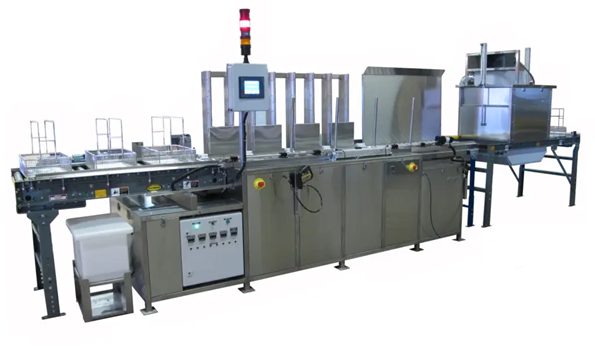
Located in Norwood New Jersey, Zenith also makes cleaning agents and chemicals, also metal strip cleaners for complex progressive stampings and custom engineered systems.
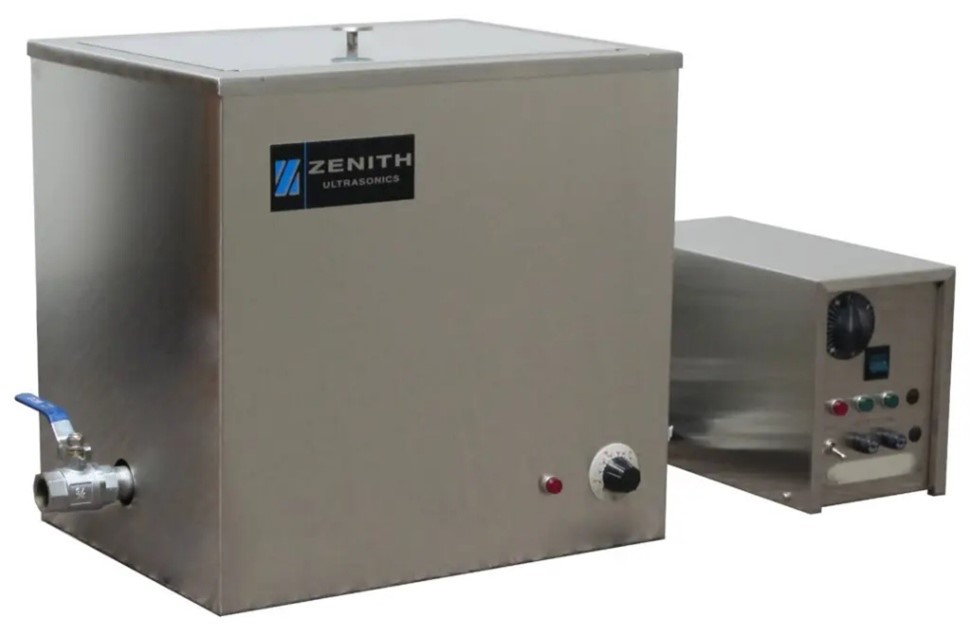
One factor about ultrasonic cleaning of magnets and magnetic assemblies, the company notes, is whether the ultrasonic cleaner would be expected to remove particles which are magnetically attracted to the magnets. While some of the particles might be removed, others with a magnetic attraction which is greater than the scrubbing energy provided by the ultrasonic cleaner would most likely not be removed. For contaminants which are not magnetically-attached, however, the same basic principles of ultrasonic cleaning apply.
In cases where magnetic attraction is involved, a key aspect is whether the ultrasonic system has sufficient force to break the bond between the contaminant and substrate material. If the contaminant is resting on the surface with no chemical or physical bond, the odds are very high that the contaminants can be removed. If there is a chemical or physical bond present, however, a detergent would need to be used that can reduce the contaminant/substrate bond strength to a level where the existing ultrasonic energy can dislodge it.
“This is where ultrasonic testing comes into play, where parts that are submitted to Zenith are tested in different cleaning agents and ultrasonic frequencies to determine (1) if the contaminants are being removed and (2) which frequencies, detergents, temperatures, detergent concentration, etc. provided the successful cleaning result,” notes Michael Pedzy, president of Zenith Ultrasonics.
For more info, see www.kemet.co.uk and www.zenith-ultrasonics.com.