Top audio engineers typically turn to finely crafted neodymium magnets to design precision sound into their most powerful loudspeakers. Some of the best of these design engineers work at Meyer Sound in Berkeley, California, a leading speaker manufacturer that prides itself on scientific innovation and quality engineering. College football fans attending games at nearby University of California Berkeley have long been beneficiaries of the engineering prowess and now, will be getting a new dose this season.
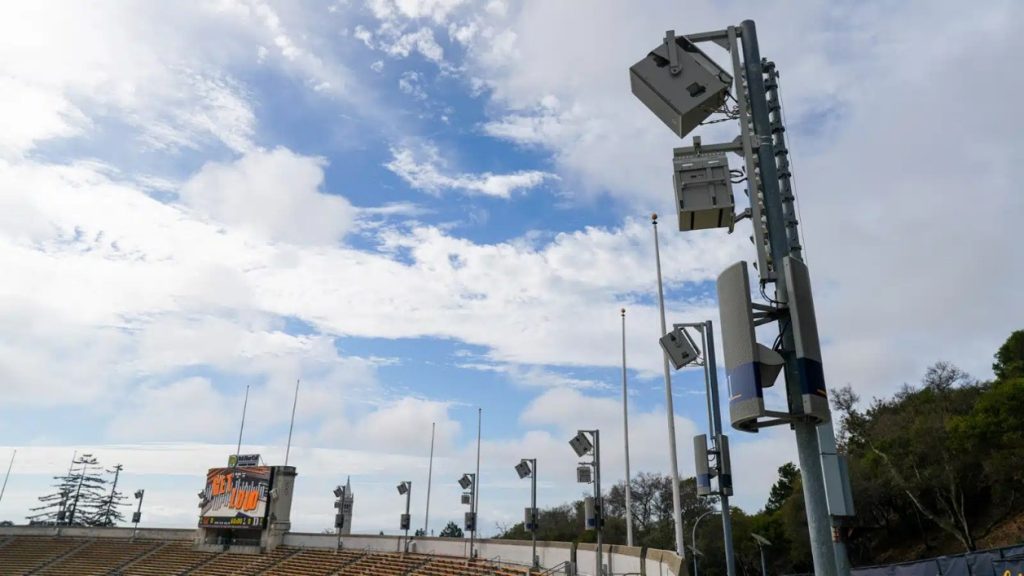
A comprehensive audio upgrade has recently been completed at the university’s venerable California Memorial Stadium, replacing an earlier Meyer Sound installation with a fully modernized distributed system built around Meyer’s ULTRA family of loudspeakers and new low-frequency control elements. The design elevates the game-day experience for fans, athletes, and the broader campus community while continuing a long partnership between Cal Athletics and Meyer Sound.
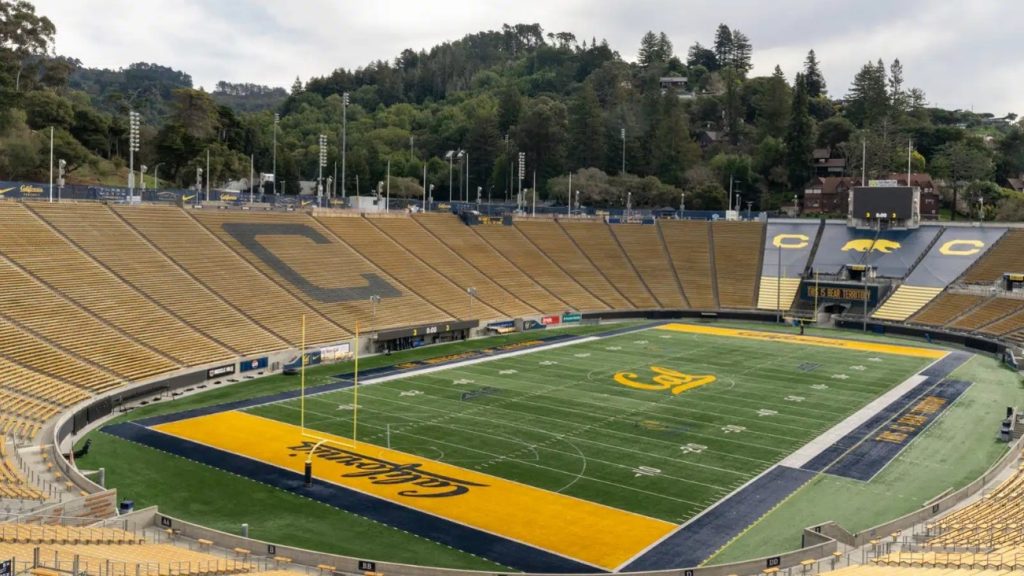
Opened in 1923, California Memorial Stadium is a Berkeley landmark and one of college football’s most scenic venues, framed by the Berkeley Hills and overlooking San Francisco Bay. The stadium was rededicated in 2012 following a major seismic retrofit that preserved its historic facade while modernizing its infrastructure for future generations of fans.
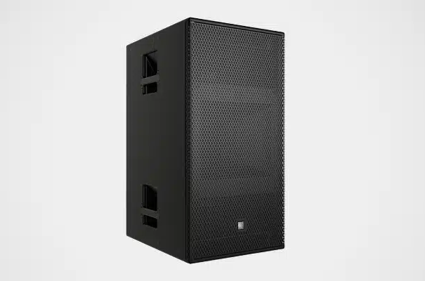
Key parts of the new system are 20 ULTRA-X80 loudspeakers and 27 X82 variants. Weighing 138 pounds each, the flagship X-80 speakers represent an evolution of the ULTRA family’s innovative concentric-driver design to deliver extraordinary power for their size. They couple two 12-inch neodymium-magnet cone drivers to a rotatable 95° x 40° waveguide coupled to a 4-inch high-frequency compression driver. This configuration ensures smooth response across the speaker’s range and impressive directional control. For maximum flexibility in coverage, the X82 variant offers a more tightly focused dispersion pattern.
Kenny Lauer, Meyer Sound’s global head, experience and strategic innovation, frames the upgrade as part of a growing awareness of how sound shapes live events. “In sports, sound isn’t background—it’s the emotional engine of the experience,” he says. “At Memorial Stadium, you can feel how great sound connects fans and athletes in the same moment. It’s not just about volume; it’s about presence, emotion, and memory. That connection is what keeps people coming back.” For more info, see www.meyersound.com.